Finding a reputable auto transport company doesn't have to be complicated. Whether you are moving across the state or across the country, knowing how the industry operates is the key to securing a safe and cost-effective move.
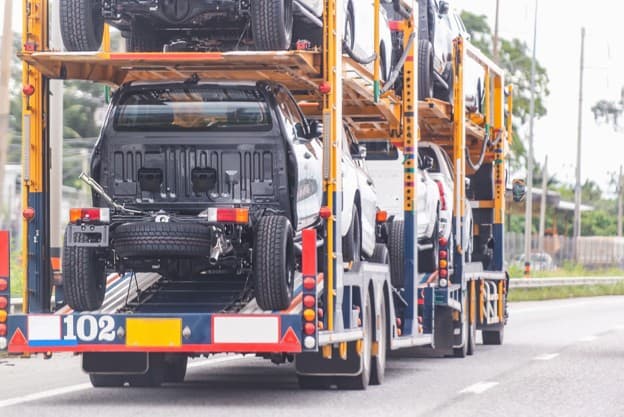
Open carriers are the industry standard and most cost-effective option.. Source: choochart choochaikupt / Getty Images
1. Cost Expectations
In general, auto transport costs scale with distance and the type of carrier you choose. As the distance increases, your total cost goes up, but your rate per mile goes down.
| Distance | Estimated Rate per Mile | Total Estimate (Mid-size SUV) |
|---|---|---|
| Under 500 miles | ~$2.00 | $500 - $1,000 |
| 500 - 1,500 miles | ~$1.00 | $1,392 - $1,977 (Open Carrier) |
| Over 1,500 miles | ~$0.60 | $900 - $2,100+ |
Auto Transport Estimator
| Cost Component | Applied Rate / Tier | Subtotal ($) |
|---|---|---|
| Base Distance Cost | $1.00/mi | $1000.00 |
| Vehicle Surcharge (Mid-size SUV) | +15% | $150.00 |
| Carrier Option | Open Standard | $0.00 |
| Total Estimated Cost | $1.15/mi avg | $1150.00 |
Estimated Cost
$1,150.00
Cost Per Mile
$1.15
Distance (miles)
Vehicle Size
Enclosed Carrier
2. The Industry Players
To navigate the shipping process, you need to know who you are dealing with:
- Carriers: The actual auto-hauler trucking companies that own the specialized car trailers and transport your vehicle under Department of Transportation regulations.
- Direct Logistics Managers: Dedicated relocation professionals who oversee carrier dispatch, scheduling, and customer protection directly—such as our Senior Coordinator, David Thomas, and our vetted carrier dispatch team.
- Lead Broker Farms vs. Anti-Spam Platforms: Traditional quote websites sell your phone number and email to dozens of competing brokers, resulting in endless robocalls and spam. In contrast, our platform operates under a strict Anti-Spam Guarantee—your data is never sold, and your quote is handled directly by vetted carriers.
3. Key Cost Factors
Beyond raw mileage, several variables influence your final quote:
- Vehicle Specifications: Taller, longer, or heavier vehicles (like large SUVs or modified trucks) cost more because they take up more space and weight allowance.
- Transport Type: Open-air carriers are the standard, budget-friendly option. Enclosed carriers offer premium protection from the elements but come with a steep price hike.
- Condition: Inoperable vehicles require special loading equipment (like forklifts or wreckers), resulting in higher fees.
- Location & Route: Major city-to-city routes are cheaper due to high carrier availability. Remote rural routes or challenging terrains increase the cost.
- Seasonality: Expect peak pricing during the summer moving season and on popular "snowbird" routes during the winter.
4. Securing the Best Rate
To keep your shipping costs as low as possible without sacrificing quality, follow these steps:
- Compare Multiple Quotes: Always get estimates from several licensed and insured long-distance moving companies to find the baseline market rate.
- Ship Off-Season: If you have flexibility, ship during the fall or winter to avoid peak summer demand surcharges.
- Choose Standard Open Transport: Unless you are moving a high-value, classic, or luxury vehicle, stick with a standard open carrier and a flexible delivery window rather than paying for expedited services.